

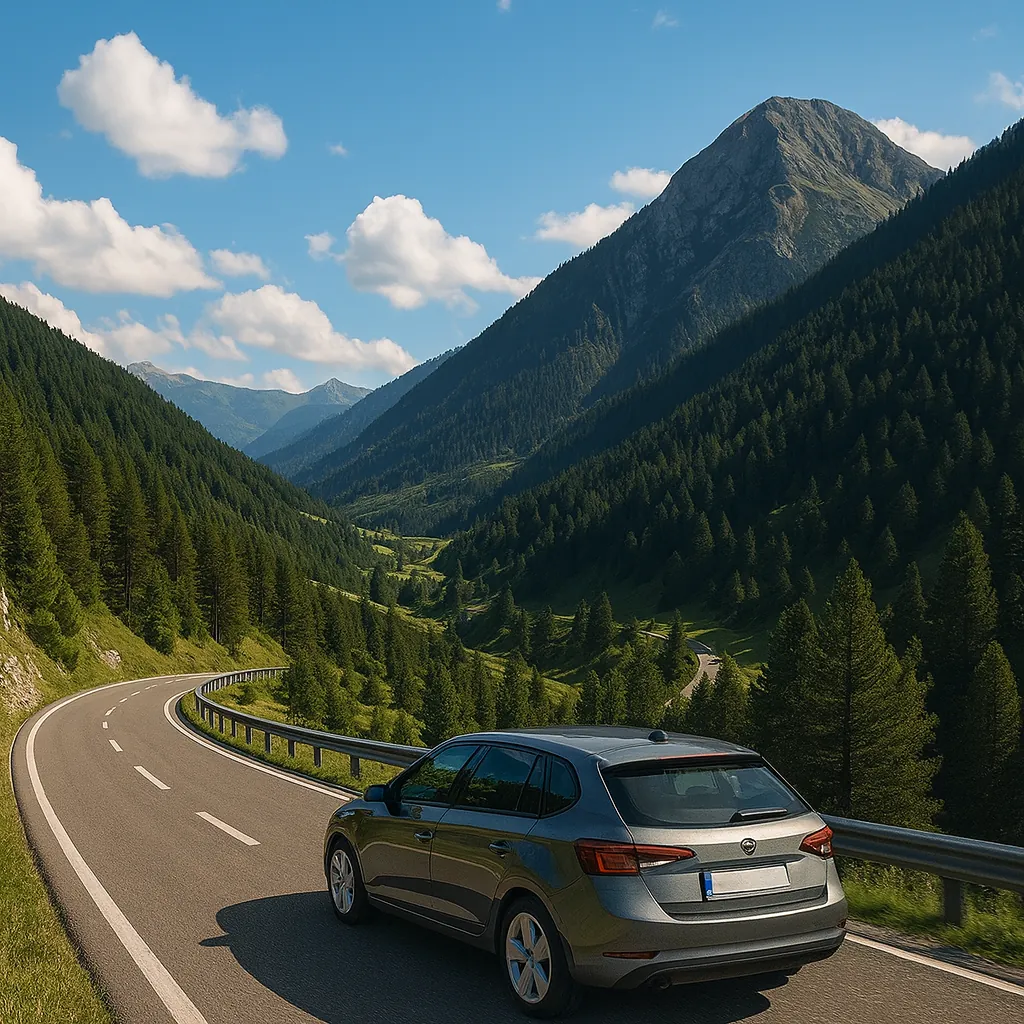
The first time I drove from Barcelona to Andorra I honestly thought, ok, just highway, few tunnels, done.
I was wrong.
Halfway into the trip my friend and I were arguing about snack choices, the playlist changed every ten minutes and the mountains slowly started to rise in front of us. By the time the road turned more narrow and the air felt colder, I forgot completely that this started as a simple transfer. It felt more like a small road adventure than just “going from A to B”.
If you are thinking about driving from Barcelona to Andorra by car, here is how I would explain it to a friend. Not like a dry guide, more like “this is what worked for me this is what I would repeat and this is what I would skip”.
Table of Contents
ToggleHow long is the drive from Barcelona to Andorra
In normal conditions the drive usually takes around three hours.
Distance sits near 200 kilometers, depending on the exact route and where you start in Barcelona.
That sounds short on paper. In real life the last part in the mountains feels a bit slower. There are curves, tunnels and sometimes trucks. Plus winter weather can stretch the time if there is snow or rain higher up.
My simple rule now is this: plan three to three and a half hours, and if you arrive earlier it feels like a bonus.
Main driving route in simple words
Most drivers follow a very similar way. I am not giving a perfect GPS list here, more a “mental map” so you know roughly what is going on.
-
Leave Barcelona heading north, usually on the C-16 or C-17 area
-
Pass by towns in Catalonia like Manresa or Berga (depending on exit)
-
Continue toward the Cadí tunnel region
-
After the tunnel the landscape gets more alpine
-
Follow signs for Andorra la Vella and the border
The C-16 with the Cadí tunnel feels like the most common set up. The tunnel has a toll, so be ready for that. The plus side is that it saves a lot of mountaintop stress. When you exit the light and mountains hit you in the face in a nice way.
I remember the first time I came out of the tunnel. My friend went silent for a bit then just said, “Ok, now it feels like we are really going somewhere.”
Tolls, fuel and quick cost thoughts
This is not a super cheap Sunday drive yet also not confused expensive if you split with friends.
-
Tolls
There is usually a toll on the Cadí tunnel route. Amount can change over time, so I prefer to check online or on the sign just before. Having a card ready makes the stop fast. -
Fuel
Distance is not extremely long, so one normal tank is more than enough for a return if your car does not drink like a monster. I still like to start with a comfortable fuel level in Barcelona, just to avoid weird mountain station panic. -
Sharing costs
If you go as three or four in one car, tolls and fuel feel much kinder on the wallet. That is one reason many groups choose car over bus.
You may also Like:
What the road actually feels like
At the start the road out of Barcelona looks like any other highway. Many signs, some traffic, industrial areas, people on their daily routine.
Later on things open more. Hills get closer, houses turn into villages, you see more forest and less city. I like this middle section because it gives time to relax and adjust. You do not jump straight from city traffic into high mountain passes.
The last stretch near the border feels different. More curves sharper views down the valley sometimes snow on the peaks even in late season. I remember one point where the road twisted around the side of a hill and for a second I saw three layers at once. Road, river and a line of houses on the opposite side. It was pretty and a bit distracting so I forced my eyes back to the lane.
If you get nervous on mountain roads taking short breaks helps. There are usually places to pull over breathe for a minute and then continue.
Weather and season matters a lot
Driving this route in August and in January feels like two different trips.
Summer and late spring
-
Roads usually stay dry
-
Light lasts longer, so even a late start still finishes in daylight
-
You see green valleys, rivers with more movement and clear sky days
This is the version where you open the window a bit and let mountain air hit your face. On my summer road trip I ended up with a light sunburn on one arm from the window side. Classic driver mark.
Winter and early spring
-
Higher chance of snow or ice in the upper sections
-
You may need winter tires or chains, depending on rules that year
-
Visibility can change fast with fog or snowfall
If you plan a winter trip, I like to start early in the day. Daylight gives more comfort, and if something slows you down you still have margin. Also check Andorra border and road conditions before you leave. When I went in late winter once, we had beautiful clear sky but some icy corners in the shade. Slow and calm saved the day.
Paperwork and border thoughts
Andorra is not in the European Union so there is a real border crossing. In practice for tourists it often feels simple.
-
Have your passport or ID card ready
-
If you rent a car in Spain, check the company rules for crossing into Andorra
-
There can be customs checks on the way back into Spain, especially for alcohol and tobacco amounts
On my trip the officer just waved us through with a quick look. On the way back they stopped some cars at random to ask for luggage checks. Nothing dramatic, just something to know so you are not surprised.
Stops worth making on the way
You can drive from Barcelona to Andorra in one single push, no problem.
Still, some stops make the day nicer.
-
Small town coffee breaks
Stopping in a Catalan town for a quick coffee and pastry turns the road into more than a corridor. Even twenty minutes on a local terrace changes the mood. -
Viewpoints after the Cadí tunnel
Those first spots where you can pull over and see the valley are perfect for a short photo break. -
River spots near Andorra
Some small areas near the river give you a first taste of mountain air before reaching Andorra la Vella.
One of my favorite small moments happened in a random bar on the way. The TV had a local football match on, three older men were arguing gently about the referee, and the lady behind the counter gave us extra olives without asking. That five euro stop felt as good as any big planned attraction.
Driving in Andorra once you arrive
Andorra la Vella and the nearby towns sit squeezed in the valley. That means:
-
Many roundabouts
-
Streets that run close to hillsides
-
Parking that can feel tight
I like to park in one of the central parking buildings and then switch to walking. Distances there are not huge and it is more relaxing than hunting for street gaps.
If you plan to go up to ski areas, the road climbs again. Weather and traffic toward the slopes can change fast on weekends and holiday times, so be patient. The views on those upper roads are very rewarding though.
Taxi or rental car from Barcelona
Since you also run a taxi service, you already know this game well, but from a traveler point of view:
-
Rental car
Good for people who enjoy driving and want full flexibility with stops and return time. -
Taxi / private transfer
Better for those who feel nervous on mountain roads or just want to sit back and watch. I did the drive myself once and another time as a passenger in a transfer style ride. Being in the back seat watching the mountains appear without worrying about gear changes felt very different and very nice.
If someone gets carsick easily, I always suggest front seat and slow cornering. The last hour can be a bit twisty for delicate stomachs.
Conclusion
Driving from Barcelona to Andorra by car feels less like a transfer and more like a short road trip movie. City, hills, tunnel, valley, border, then mountains closing in around you. If you give the road a bit of time and add one or two small stops, the journey becomes part of the holiday story not just the line between two pins on a map.
You may also Like:
FAQs – Driving from Barcelona to Andorra
How long does it usually take to drive from Barcelona to Andorra?
Most days the drive sits around three hours from city to border and Andorra la Vella. Traffic at the start or weather in the mountains can stretch that, so having some extra margin in your plan helps.
Is the road dangerous or very hard to drive?
The main route is a proper paved road used every day by locals, trucks and buses. The last part has mountain curves and some sections without much shoulder so you need normal attention yet it is not some confused cliff track. In winter you need more care with snow or ice.
Do drivers need chains or winter tires for this route?
In warm months no. In winter and early spring it can be required during snow periods, especially closer to Andorra and on high access roads to ski resorts. I prefer to check official traffic info and Andorra updates the day before. Renting a car that already has the correct winter setup feels easier than trying to fix it last minute.
Are there enough petrol stations on the way?
Yes. There are several fuel stops along the main road between Barcelona and Andorra. I still like to start with the tank in a comfortable level in Barcelona and then top up if needed near the border. In Andorra fuel often has lower tax, so some people fill there before coming back.
Is parking easy once in Andorra la Vella?
Street parking can feel tight, especially on busy days. Multi storey car parks around the center make life simpler. Prices vary by location and time but having one fixed place to leave the car and explore on foot usually feels worth the cost.
