

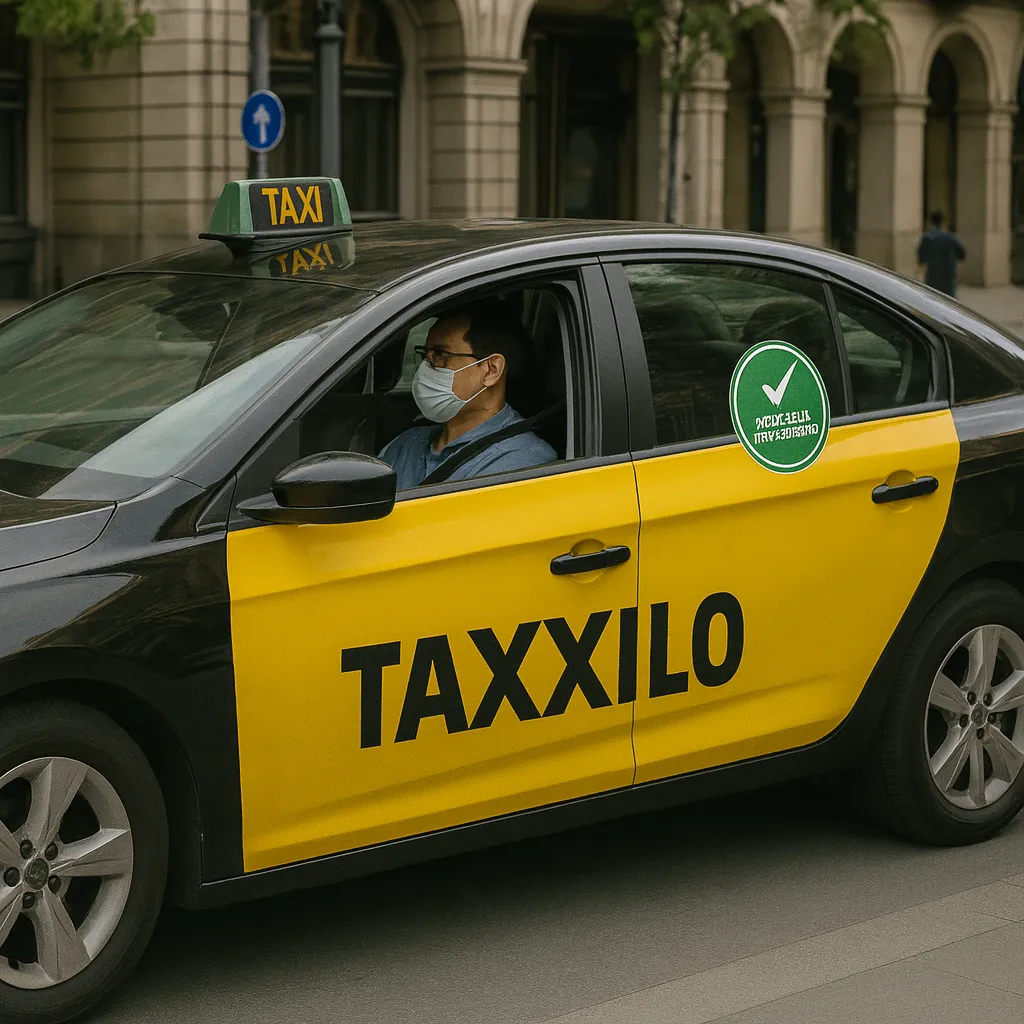
When I first started using taxis in Barcelona, I mainly cared about one thing. Price. Maybe also if the driver knew the shortcuts to skip Gran Via traffic. Safety felt like something in the background. You just assumed everything was fine and focused on your luggage and Google Maps.
Last year that feeling changed a bit. Night flights, more solo rides, friends visiting with kids. I started to notice small details inside the car. Seat belts that felt new. Dash screens with live GPS. Stickers about cleaning. Drivers who clearly followed some new routine.
After a few trips I realised the taxi scene in Barcelona has quietly climbed to a new level with safety. Many companies and drivers updated their standards, some because of local rules, others because travellers started to ask more questions.
This guide is a relaxed walk through those new safety standards and the latest upgrades for taxis in Barcelona. Not a legal document. More like a friend talking about what they saw on real rides.
Table of Contents
ToggleClean cars that actually feel clean
Let us start with the most obvious part. The cabin.
On recent rides I noticed a pattern. Fresh smell. Wipes near the dashboard. Small cleaning sticker with a date. Many drivers now follow a simple routine:
-
Quick wipe down of handles and main touch points during the day
-
Deeper clean before or after shifts
-
Extra attention after airport and cruise pickups
Some taxis also carry hand gel in the back, near the passenger seats. I used to think that was only a pandemic thing, but many kept it. Simple small bottle but it makes you feel more relaxed when you touch your phone, your face, everything.
It is a small detail, yet it sets the tone for the whole ride. When the car looks clean, you trust the rest more.
Seat belts and child safety upgrades
Barcelona taxis always had seat belts of course. The difference now is how much drivers remind you to use them. On several rides the driver looked in the mirror and said in a soft voice, “Cinturón, por favor” before even starting. No drama. Just a habit.
For families there are more changes:
-
Some services allow you to pre book child seats
-
Better quality baby and booster seats for airport runs
-
Clear rules about how many people can ride and in which positions
One friend arrived with two small kids and a mountain of bags. Their driver turned out to have two proper child seats ready in the boot, plus a small step for easier climbing. That kind of detail turns a stressful arrival into a calm one.
If you travel with children in Barcelona, these upgrades matter a lot. You do not have to improvise with strange seat belt setups or hold a kid on the lap in the back.
You may also Like:
-
Taxi Barcelona Safety Tips: How to Avoid Scams and Overcharges
-
Are Taxis Safe in Barcelona? Safety Tips for Visitors
GPS tracking and smarter navigation
Old style taxi rides depended on the driver’s memory. Some still do, and many drivers know the city like a map printed in their brain. But now there is another safety layer. Real time tracking.
Most modern taxis in Barcelona drive with:
-
Built in GPS units
-
Route tracking from dispatch systems
-
Digital receipts that show distance and time
This brings two main benefits. First, you feel safer because the route is visible on a screen. No hidden long loops. No strange detours without reason. Second, if something goes wrong, there is a trace. The company can see where the car went and when.
I remember one late night from Poble-sec to Sants. I was tired and half asleep. At some point I checked the screen, saw the live route and relaxed again, because I recognised the streets. That small digital line on the map gives trust.
In car cameras and panic buttons
Some upgrades are more behind the scenes, yet they play a strong role in safety for both drivers and passengers.
More and more taxis in Barcelona now include:
-
Small interior cameras (usually pointed to cabin, not in your face)
-
Silent alarm buttons for the driver
-
Direct connection with dispatch or security services
At first I was not sure how I felt about cameras. Then a driver explained something that stayed in my head. He said the camera is like a neutral witness. If anything strange happens, no one has to argue later. For solo travellers at night that can feel very reassuring.
Not every single car has this tech yet, but the trend is clear. Taxis are slowly turning into small smart spaces, not just metal boxes with wheels.
Better training for drivers
Safety is not only about devices. It is also about humans behind the wheel.
Across Barcelona you notice a new style of driver training. Many companies and cooperatives focus on:
-
Refresher courses on defensive driving
-
Basic first aid training
-
Customer communication, especially for nervous or solo travellers
-
Clear steps for what to do in case of accident
You can feel this in small moments. A driver who slows early near a zebra crossing instead of braking hard. A calm explanation about why they pick a specific route. A clear “no problem” when you ask for a short break to check something in your bag.
This kind of attitude makes the car feel like a controlled space, not a chaotic race.
Contactless payment and less cash stress
Safety is also about money and how you handle it. Many taxis in Barcelona now run almost fully digital:
-
Contactless cards
-
Mobile payments
-
QR codes
-
Digital invoices sent to email
Less cash means less risk of theft or confusion. No need to count coins while someone waits behind you. If you travel on business trips you also get a neat digital record of rides, helpful for expense reports.
On my last airport taxi I simply tapped my phone on the terminal, got the receipt by mail and walked away. Whole exit from the car took maybe 10 seconds. That smooth finish removes awkward moments near the door, where you feel rushed.
Real time booking and verified drivers
Many locals and visitors now use apps or online platforms to request taxis rather than waving on the street. This adds another safety layer:
-
You see the driver name and license number
-
You see estimated price and time
-
You get a record of your ride in the app
If any problem happens, you have a clear digital trail. You can report the trip with date, time and exact route. That was not possible in the old days with simple street hail, where everything was basically anonymous.
The city also works with regulations for licensed vehicles. When you enter a taxi, you can usually see the license plaque and information inside the cabin. That official frame gives extra confidence.
Small story: late night from El Prat
One night flight from Berlin arrived late at El Prat airport. My brain felt like pasta. All I wanted was a safe, painless ride home.
I followed the taxi signs, joined the official line and stepped into a black and yellow car. First thing I noticed: clean interior and a small screen on the seat back showing the name and license number of the driver. He greeted me, asked for destination, tapped a couple of buttons on the board.
During the ride I watched the live map for a while, then stopped because I trusted the flow. Seat belt felt solid. Air inside the car was fresh. At one point a motorbike cut across and the driver reacted calmly, with space to spare.
When we arrived near my place he pulled closer to the door, waited until I stepped on the sidewalk and then ended the trip. No rush. Quick card payment. Receipt in email. Whole experience felt like a short, safe tunnel between airport stress and home comfort.
That is when I fully realised how much taxi standards had changed in the city.
Conclusion
New safety standards in Barcelona taxis are not only about rules on paper. They show up in clean seats, calmer drivers, digital tools and that quiet feeling when you step out of the car and think, ok, that ride felt solid. For a busy city that never really sleeps, that calm feeling is a serious upgrade.
You may also Like:
FAQs – New Safety Standards in Barcelona Taxis
1. Are taxis in Barcelona safe for solo travellers at night?
Yes. With new tracking systems, better training and more digital records, late night rides feel much safer than a few years ago.
2. Can I pay by card in most taxis now?
Almost every modern taxi in Barcelona accepts cards and mobile payments. There are still a few exceptions, so it helps to ask before starting the ride.
3. Are there special safety rules for airport runs?
Airport taxis usually follow stricter rules for queue systems, luggage handling and route control. Many cars that work the airport line also keep high cleaning and comfort standards.
4. What if I forget something inside the taxi?
Because many rides are tracked, you often can recover lost items by contacting the company, the app or the taxi authority with date, time and place of pickup.
5. Are child seats always available in taxis?
Not in every single car by default. Some services allow advance booking of baby or booster seats, which is the best choice for families who care a lot about safety.
6. How can I check if a taxi is official and licensed?
Look for the black and yellow color, the license number on the door and inside the cabin, and check that the meter works. If you book by app or phone, you also see driver details before the car arrives.


Comments
[…] New Safety Standards: Taxi Barcelona’s Latest Upgrades […]